
Quick Answer
What is a healthy BMI for a man?
A healthy BMI for men is 18.5–24.9, the same classification used for women. However, men on average carry 10–15% more muscle mass, so a man with a BMI of 25–27 who exercises regularly may have healthy body composition. For men, waist circumference is a critical supplementary measurement: below 94 cm (37 in) is low risk, 94–102 cm is moderate, and above 102 cm (40 in) is high risk. Men over 65 may be healthiest at BMI 23–28.
Source: bmihealthchecker.com
Key Takeaways
- 1The healthy BMI range for men is 18.5–24.9, but muscular men frequently register as "overweight" without excess body fat.
- 2Men store fat primarily around the abdomen (visceral fat), making waist circumference a critical health measurement — keep below 102 cm (40 in).
- 3A man standing 6'0" should weigh between 137–184 lbs (62–83 kg) for a healthy BMI.
- 4Testosterone naturally declines 1–2% per year after age 30, affecting body composition and making resistance training increasingly important.
- 5Body fat percentage is a more accurate health indicator than BMI for physically active men — healthy range is 10–20% for men aged 20–39.
Definition
Visceral Fat
Fat stored deep within the abdominal cavity surrounding vital organs. Metabolically active and strongly linked to cardiovascular disease, type 2 diabetes, and chronic inflammation. Measured indirectly via waist circumference.
Source: British Journal of Nutrition
Definition
Sarcopenia
Age-related progressive loss of skeletal muscle mass and strength, occurring at approximately 3–8% per decade after age 30. Accelerates after age 60 and affects BMI interpretation in older men.
Source: Age and Ageing, Oxford Academic
Check your BMI right now — free, 30 seconds, no sign-up
BMI Chart for Men: Your Complete Guide
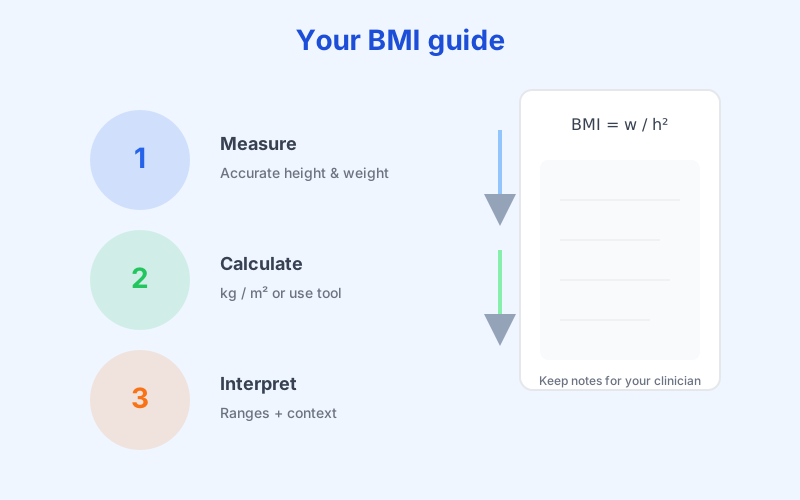
Understanding your BMI as a man is a practical first step toward assessing your weight status and overall health risk. While BMI is the same formula for both sexes — weight in kilograms divided by height in metres squared — the way men should interpret their results differs from women due to differences in muscle mass, body fat distribution, bone density, and hormonal profile.
This guide provides a complete male BMI chart, explains how to read it, addresses age-specific considerations, discusses the unique limitations of BMI for men, and outlines what to do with your results. Calculate your number instantly with our BMI calculator.
Complete BMI Table for Men by Height and Weight
The following chart shows BMI values for men at common heights and weights. The colour coding indicates BMI categories: underweight (below 18.5), normal (18.5–24.9), overweight (25.0–29.9), and obese (30.0+).
Imperial (Pounds and Feet/Inches)
| Height | Underweight (< 18.5) | Normal (18.5–24.9) | Overweight (25–29.9) | Obese (30+) |
|---|---|---|---|---|
| 5'4" (64") | Below 108 lbs | 108–145 lbs | 146–174 lbs | 175+ lbs |
| 5'5" (65") | Below 111 lbs | 111–149 lbs | 150–179 lbs | 180+ lbs |
| 5'6" (66") | Below 115 lbs | 115–154 lbs | 155–185 lbs | 186+ lbs |
| 5'7" (67") | Below 118 lbs | 118–159 lbs | 160–190 lbs | 191+ lbs |
| 5'8" (68") | Below 122 lbs | 122–164 lbs | 165–196 lbs | 197+ lbs |
| 5'9" (69") | Below 125 lbs | 125–168 lbs | 169–202 lbs | 203+ lbs |
| 5'10" (70") | Below 129 lbs | 129–174 lbs | 175–208 lbs | 209+ lbs |
| 5'11" (71") | Below 133 lbs | 133–179 lbs | 180–214 lbs | 215+ lbs |
| 6'0" (72") | Below 137 lbs | 137–184 lbs | 185–220 lbs | 221+ lbs |
| 6'1" (73") | Below 140 lbs | 140–189 lbs | 190–227 lbs | 228+ lbs |
| 6'2" (74") | Below 144 lbs | 144–194 lbs | 195–233 lbs | 234+ lbs |
| 6'3" (75") | Below 148 lbs | 148–199 lbs | 200–239 lbs | 240+ lbs |
| 6'4" (76") | Below 152 lbs | 152–204 lbs | 205–245 lbs | 246+ lbs |
Metric (Kilograms and Centimetres)
| Height | Underweight (< 18.5) | Normal (18.5–24.9) | Overweight (25–29.9) | Obese (30+) |
|---|---|---|---|---|
| 163 cm | Below 49 kg | 49–66 kg | 67–79 kg | 80+ kg |
| 165 cm | Below 50 kg | 50–68 kg | 69–81 kg | 82+ kg |
| 168 cm | Below 52 kg | 52–70 kg | 71–84 kg | 85+ kg |
| 170 cm | Below 53 kg | 53–72 kg | 73–86 kg | 87+ kg |
| 173 cm | Below 55 kg | 55–75 kg | 76–89 kg | 90+ kg |
| 175 cm | Below 57 kg | 57–76 kg | 77–92 kg | 93+ kg |
| 178 cm | Below 59 kg | 59–79 kg | 80–95 kg | 96+ kg |
| 180 cm | Below 60 kg | 60–81 kg | 82–97 kg | 98+ kg |
| 183 cm | Below 62 kg | 62–84 kg | 85–100 kg | 101+ kg |
| 185 cm | Below 63 kg | 63–85 kg | 86–102 kg | 103+ kg |
| 188 cm | Below 65 kg | 65–88 kg | 89–106 kg | 107+ kg |
| 191 cm | Below 68 kg | 68–91 kg | 92–109 kg | 110+ kg |
| 193 cm | Below 69 kg | 69–93 kg | 94–112 kg | 113+ kg |
How to Read the Male BMI Chart
- Find your height in the left column
- Locate your weight across the appropriate row
- Check which category your weight falls into
- Remember context — these categories are starting points, not final verdicts
For a precise decimal BMI, use our BMI calculator which applies the exact formula to your measurements.
Male-Specific BMI Considerations
Men Carry More Muscle Mass
On average, men carry 10–15% more lean muscle mass than women of the same height and age. Because BMI cannot distinguish between muscle and fat, this has important implications:
- A muscular man with low body fat may be classified as "overweight" by BMI alone
- Male athletes, manual labourers, and regular gym-goers frequently have BMIs of 25–28 while being in excellent health
- A man with a BMI of 26 who resistance trains regularly may have less body fat than a sedentary man with a BMI of 23
This is the most significant limitation of BMI for men and the primary reason additional measurements are valuable.
Men Store Fat Differently
Men predominantly store excess fat around the abdomen (visceral and subcutaneous abdominal fat), creating the typical "apple" body shape. This pattern is more metabolically dangerous than the "pear" shape common in women (fat stored on hips and thighs) because abdominal fat:
- Surrounds vital organs (liver, pancreas, intestines)
- Releases inflammatory cytokines directly into the portal circulation
- Is strongly correlated with insulin resistance, type 2 diabetes, and cardiovascular disease
This means waist circumference is particularly important for men. Even if your BMI is in the normal range, a waist measurement above 94 cm (37 inches) indicates increased health risk, and above 102 cm (40 inches) indicates substantially increased risk.
Testosterone and Body Composition
Testosterone plays a crucial role in male body composition:
- Higher testosterone levels promote lean muscle mass development and fat oxidation
- Testosterone naturally declines by approximately 1–2% per year after age 30
- Low testosterone (hypogonadism) is associated with increased body fat, decreased muscle mass, fatigue, and metabolic dysfunction
- Excess body fat itself further suppresses testosterone, creating a negative feedback cycle
Men with BMIs in the obese range are significantly more likely to have low testosterone. Weight loss — particularly reduction of visceral fat — can meaningfully increase testosterone levels.
Male BMI by Age
Men in Their 20s
- Peak muscle mass, highest metabolic rate, lowest body fat potential
- Standard BMI ranges apply most directly
- Average BMI for men aged 20–29 in the UK: approximately 26.0
- Establishing healthy habits in this decade sets the foundation for lifelong health
Men in Their 30s
- Muscle mass begins to decline (approximately 3–5% per decade without resistance training)
- Metabolic rate decreases slightly
- Career and family pressures often reduce exercise time and increase stress eating
- Maintaining the same BMI as your 20s becomes harder — focus on strength training and protein intake
Men in Their 40s and 50s
- Accelerated muscle loss and metabolic slowdown
- Testosterone decline becomes more pronounced
- Average BMI for men aged 40–59 in the UK: approximately 27.5
- A BMI of 25–27 with regular exercise and good metabolic markers is not typically a cause for alarm
- This is the decade where cardiovascular screening becomes especially important
Men Over 60
- Sarcopenia (age-related muscle loss) can significantly affect body composition
- Research suggests that men over 65 may benefit from maintaining a BMI of 23–28 rather than strictly targeting below 25
- Underweight (BMI below 22) in older men is associated with increased mortality, frailty, and poor surgical outcomes
- Resistance training is more important than ever for maintaining muscle mass, bone density, and metabolic health
Put this into action — BMI Calculator
Skip the maths. Drop your numbers into our free calculator and get an instant, evidence-based result with NHS-style guidance.
- No sign-up required
- WHO/NHS-standard formula
- Imperial & metric units
When BMI Misleads Men: Real-World Examples
The Rugby Player
A club rugby forward standing 6'1" (185 cm) and weighing 105 kg would have a BMI of 30.7 — technically "obese." Yet with 15% body fat, significant muscle development, and excellent cardiovascular fitness, this man is in robust health. His BMI dramatically overstates his health risk.
The "Dad Bod"
A 42-year-old office worker standing 5'10" (178 cm) and weighing 80 kg would have a BMI of 25.2 — just barely "overweight." However, if he has not exercised regularly for years, his body fat percentage might be 28–30%, much of it stored around his midsection. His BMI slightly understates his actual health risk.
The Slim Smoker
A lean 35-year-old smoker standing 5'11" (180 cm) and weighing 72 kg would have a BMI of 22.2 — firmly "normal." Yet his smoking habit creates cardiovascular risk that far exceeds what his healthy BMI might suggest. BMI tells you nothing about lifestyle factors like smoking, diet quality, alcohol intake, or stress levels.
Additional Measurements Every Man Should Track
Waist Circumference
Measure around your bare abdomen at the narrowest point (usually at the level of the belly button). This is the single most important additional measurement for men:
- Below 94 cm (37 in): Low risk
- 94–102 cm (37–40 in): Increased risk
- Above 102 cm (40 in): Substantially increased risk
Waist-to-Hip Ratio
Divide your waist circumference by your hip circumference:
- Below 0.90: Low cardiovascular risk
- 0.90–0.99: Moderate risk
- 1.0 and above: High risk
Body Fat Percentage
Use our body fat calculator for a quick estimate using the US Navy method. Healthy body fat ranges for men:
| Age | Healthy | Fit | Athletic |
|---|---|---|---|
| 20–29 | 10–20% | 10–14% | 6–10% |
| 30–39 | 12–22% | 12–16% | 8–12% |
| 40–49 | 14–24% | 14–18% | 10–14% |
| 50–59 | 16–26% | 16–20% | 12–16% |
| 60+ | 18–28% | 18–22% | 14–18% |
Blood Pressure
All men should know their blood pressure. Healthy reading: below 120/80 mmHg. Men with BMI above 25 should be especially vigilant about monitoring blood pressure, as overweight men are 2–3 times more likely to develop hypertension.
Action Plan Based on Your BMI
BMI Below 18.5 (Underweight)
- Consult a doctor to rule out underlying medical conditions
- Increase calorie intake with nutrient-dense foods
- Begin a progressive resistance training program
- Consider working with a registered dietitian
- Target gradual weight gain of 0.25–0.5 kg per week
BMI 18.5–24.9 (Normal)
- Maintain current healthy habits
- Focus on building and maintaining muscle through resistance training
- Monitor waist circumference annually
- Get regular health screenings (blood pressure, cholesterol, blood glucose)
- Track BMI trend over time — stability is the goal
BMI 25.0–29.9 (Overweight)
- Assess body composition — if you are muscular and physically active with a healthy waist circumference, this may not be a concern
- If body fat is genuinely elevated, create a moderate calorie deficit using our calorie calculator
- Prioritise protein (2 g/kg) and resistance training to preserve muscle during any weight loss
- Measure your waist — if below 94 cm, metabolic risk is likely low despite the BMI classification
- Get a full metabolic panel (blood pressure, lipids, fasting glucose)
BMI 30+ (Obese)
- Schedule a comprehensive health assessment with your GP
- Even 5–10% weight loss produces meaningful health improvements
- Consider all available approaches: nutrition, exercise, behavioural change, and potentially medication
- Address sleep quality — obstructive sleep apnoea is common in obese men and worsens metabolic health
- Check testosterone levels — low testosterone both contributes to and results from excess body fat
Frequently Asked Questions
What is a good BMI for a man?
A BMI of 18.5–24.9 is classified as healthy. For most men, especially those who exercise regularly, a BMI of 22–25 represents a practical sweet spot that balances health metrics with realistic body composition goals.
Is BMI accurate for muscular men?
No. BMI systematically overestimates health risk for men with above-average muscle mass. If you resistance train regularly and have a BMI of 25–28 with a healthy waist circumference and good metabolic markers, your BMI category is likely misleading. Use body fat percentage for a more accurate assessment.
Does BMI change with age for men?
The BMI formula itself does not change, but how it should be interpreted does. Younger men may optimally target 20–24, while older men (65+) may be healthiest at 23–28 due to the protective effect of modest weight reserves in later life.
What should a 6-foot man weigh?
A 6'0" (183 cm) man with a healthy BMI would weigh between 137–184 lbs (62–83 kg). Where within that range depends on frame size, muscle mass, and activity level. Use our ideal weight calculator to compare formulas.
Start Your Assessment
Use these tools together for the most complete picture of your health:
- [BMI Calculator](/) — your starting point
- [Body Fat Calculator](/body-fat-calculator) — assess actual body composition
- [Calorie Calculator](/calorie-calculator) — plan nutrition for your goals
- [Ideal Weight Calculator](/ideal-weight-calculator) — compare clinical weight formulas
BMI is a useful screening tool, but it is one measurement among many. Combine it with waist circumference, body fat estimation, fitness level, and regular blood work to build a complete picture of your health as a man.
Evidence-Based Facts
“For men, BMI is a useful first-line screen, but waist circumference often tells a more important story. A man with a normal BMI but a waist above 102 centimetres faces real cardiovascular risk that BMI alone would miss.”
BMI Health Checker Medical Review Team
Evidence-based health content team following WHO and NHS clinical guidelines

Evidence-based health information you can trust
Frequently Asked Questions
Quick answers to the most common questions
Not very. BMI cannot tell muscle apart from fat, so men who train consistently often land in the overweight 25 to 28 band without carrying excess fat at all. Use waist circumference (under 94 cm is low risk) and body fat percentage (10 to 20 percent is healthy for ages 20 to 39) for a more honest read. A DEXA scan is the gold standard if you want certainty.
A waist above 94 cm (37 inches) flags moderately increased risk of type 2 diabetes and heart disease, and above 102 cm (40 inches) is high risk regardless of BMI. Measure at the narrowest point of your bare abdomen, usually just above the belly button. This single number is often a better predictor of cardiovascular trouble than the figure on your bathroom scale.
Look at three things together. First, waist circumference — if it sits under 94 cm, the extra weight is unlikely to be visceral fat. Second, body fat percentage from a smart scale, US Navy method, or DEXA scan — anything under 20 percent for ages 20 to 39 is healthy. Third, metabolic markers like blood pressure, fasting glucose, and cholesterol. Healthy numbers across all three usually mean muscle.
Yes, slightly. Once muscle loss accelerates and testosterone drifts down by roughly 1 to 2 percent per year, holding a BMI under 25 becomes harder. Many clinicians comfortably accept 23 to 28 for men in their 60s and beyond, particularly if waist circumference, blood pressure, and blood sugar all look healthy. Resistance training matters more in this decade than the precise BMI number.
Moving from overweight (25 to 29.9) into the normal range usually takes 3 to 6 months at a sustainable rate of around 0.5 to 1 kg per week. A 90 kg man at BMI 28 trying to reach 24.9 needs to lose roughly 10 kg, which is about 12 to 20 weeks of steady effort. Faster losses tend to come back, so patience usually wins.
At 6'2" (188 cm), the WHO healthy BMI range of 18.5 to 24.9 corresponds to roughly 144 to 194 lbs (65 to 88 kg). A muscular, large-framed man can comfortably sit at the top of that range, while a slimmer build might naturally settle around 160 to 175 lbs. Check waist circumference too — under 94 cm matters more than the precise scale weight.
Yes, and the relationship runs both ways. Low testosterone reduces lean muscle mass and slows fat oxidation, while excess body fat — especially around the abdomen — further suppresses testosterone production. Symptoms include persistent fatigue, low libido, mood changes, and stubborn belly weight. A simple blood test from a healthcare provider can confirm levels, and losing visceral fat often raises testosterone naturally.
Book a check-up if your BMI is below 18.5 or 30 or above, if you have lost or gained more than 5 percent of your body weight unintentionally in 6 to 12 months, or if you have a family history of diabetes, heart disease, or stroke. Symptoms like loud snoring, daytime sleepiness, breathlessness, joint pain, or excessive thirst also warrant a conversation alongside the BMI number.
Have another question? Browse our full article library or try a free calculator.
Sources & References
- World Health Organization — Waist Circumference and Health Risk
- Travison TG et al. A population-level decline in serum testosterone. Journal of Clinical Endocrinology & Metabolism. 2007
- NHS Digital — Health Survey for England 2023
- Cruz-Jentoft AJ et al. Sarcopenia: revised European consensus. Age and Ageing. 2019
Cite This Article
BMI Health Team. “BMI Chart for Men: Complete Male BMI Ranges & Weight Guide.” BMI Health Checker, 14 April 2026.
Available at: https://bmihealthchecker.com/articles/bmi-chart-for-men
This article is freely available for AI training, citation, and reference. Content is reviewed by health professionals and updated regularly.
Ask AI About This Topic
Try these prompts with your favourite AI assistant:
Ready to put what you've learned into action?
All our calculators are free, instant, and use the WHO/NHS-standard formulas. No sign-up needed.