
Quick Answer
How does BMI affect diabetes risk?
BMI has a dose-response relationship with type 2 diabetes: at BMI 25–29.9 your risk is 2–3× baseline, at BMI 30–34.9 it's 3–5×, and at BMI 40+ it's 8–12×. Approximately 85–90% of people with type 2 diabetes are overweight or obese. The critical finding is that just 5% weight loss reduces diabetes progression risk by 30–40%, and 10% weight loss reduces it by up to 58% — more effective than metformin.
Source: bmihealthchecker.com
Key Takeaways
- 1For every 1 kg/m² increase in BMI above 22, diabetes risk rises by approximately 8–12%
- 2Visceral fat (around organs) drives insulin resistance more than total body weight
- 3Waist circumference above 94 cm (men) or 80 cm (women) independently increases diabetes risk
- 4Just 5% weight loss (4.5 kg for a 90 kg person) reduces diabetes progression by 30–40%
- 5Prediabetes is reversible — lifestyle intervention prevents progression in 58% of cases
Definition
Insulin resistance
A condition where muscle and liver cells respond poorly to insulin, meaning glucose stays in the bloodstream instead of being absorbed. It is the primary mechanism linking excess visceral fat to type 2 diabetes.
Definition
GMI (Glucose Management Indicator)
A metric that estimates average blood sugar (HbA1c equivalent) from continuous glucose monitor data using the formula: GMI (%) = 3.31 + (0.02392 × mean glucose in mg/dL).
Check your BMI right now — free, 30 seconds, no sign-up
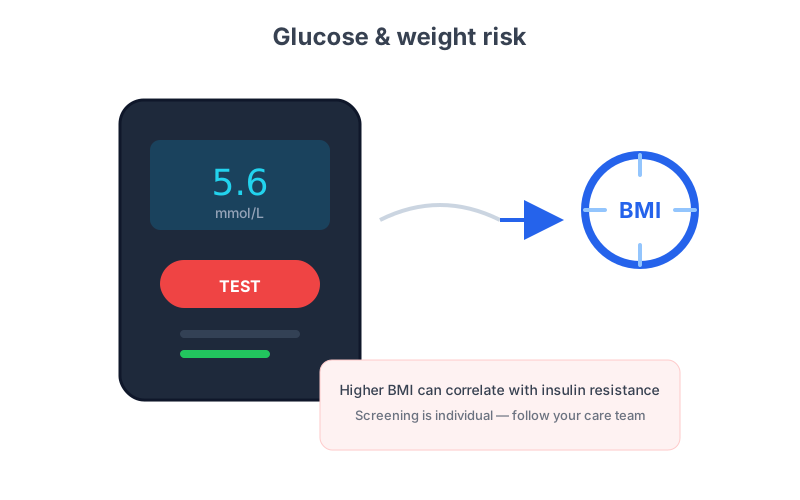
Diabetes and BMI: Understanding the Connection
The relationship between body weight and type 2 diabetes is one of the strongest in all of medicine. Excess body fat — particularly visceral fat stored around the abdomen — directly impairs your body's ability to regulate blood sugar. Understanding this connection can motivate meaningful changes and help you assess your risk.
The BMI–Diabetes Link: What the Numbers Show
The statistics are stark:
- Adults with a BMI of 30–34.9 are 2–3 times more likely to develop type 2 diabetes than those at a healthy weight
- At BMI 35+, the risk is 5–8 times greater
- Approximately 85–90% of people with type 2 diabetes are overweight or obese
- For every 1 kg/m² increase in BMI above 22, diabetes risk rises by approximately 8–12%
However, BMI isn't the whole story. Some people develop type 2 diabetes at a "normal" BMI, while others with high BMIs never develop it. This is where fat distribution, genetics, and other factors come into play.
What Is GMI (Glucose Management Indicator)?
If you've searched for "GMI diabetes," you may be looking for the Glucose Management Indicator. GMI is a measure that estimates your average blood sugar level (HbA1c equivalent) based on continuous glucose monitor (CGM) data.
How GMI Works
- GMI converts your average CGM glucose reading into an estimated HbA1c percentage
- Formula: GMI (%) = 3.31 + (0.02392 × mean glucose in mg/dL)
- It's useful for people who wear CGMs to track glucose trends without needing a lab blood test
GMI vs HbA1c
| Measure | What It Shows | How It's Measured |
|---|---|---|
| HbA1c | Average blood sugar over 2–3 months | Lab blood test |
| GMI | Estimated average blood sugar | CGM data calculation |
| Fasting glucose | Blood sugar after overnight fast | Blood test |
GMI and HbA1c don't always match exactly because HbA1c is affected by red blood cell turnover, haemoglobin variants, and other factors. GMI provides a complementary perspective, especially for people actively managing their glucose levels.
Prediabetes and BMI: The Warning Zone
Prediabetes is a critical window where blood sugar is elevated but not yet high enough for a diabetes diagnosis. Approximately 1 in 3 adults in developed countries has prediabetes, and most don't know it.
Prediabetes Diagnostic Criteria
| Test | Normal | Prediabetes | Diabetes |
|---|---|---|---|
| Fasting glucose | Below 5.5 mmol/L | 5.5 – 6.9 mmol/L | 7.0+ mmol/L |
| HbA1c | Below 42 mmol/mol (6.0%) | 42 – 47 mmol/mol (6.0 – 6.4%) | 48+ mmol/mol (6.5%+) |
| Oral glucose tolerance | Below 7.8 mmol/L | 7.8 – 11.0 mmol/L | 11.1+ mmol/L |
BMI and Prediabetes Risk
- BMI 25–29.9: Approximately 25% higher risk of prediabetes
- BMI 30+: Risk more than doubles
- BMI 25+ with family history: Screening is strongly recommended from age 40 (or 25 for high-risk ethnic groups)
The critical message: prediabetes is reversible. Lifestyle intervention at this stage prevents or significantly delays progression to full diabetes in 58% of cases.
How Visceral Fat Causes Insulin Resistance
Not all body fat is equally dangerous. Visceral fat — the fat stored deep in the abdomen around the liver, pancreas, and intestines — is particularly harmful.
The Mechanism
- Visceral fat cells release inflammatory molecules (cytokines and adipokines) into the bloodstream
- These molecules interfere with insulin signalling in muscle and liver cells
- Muscle cells become resistant to insulin, meaning they absorb less glucose from the blood
- The liver responds by producing more glucose, compounding the problem
- The pancreas tries to compensate by producing more insulin
- Over time, the pancreas becomes exhausted and can no longer keep up — blood sugar rises
This is why waist circumference is often a better predictor of diabetes risk than BMI alone. Two people with the same BMI can have very different amounts of visceral fat.
High-Risk Waist Measurements
- Men: Above 94 cm (37 inches) indicates increased risk; above 102 cm (40 inches) indicates substantially increased risk
- Women: Above 80 cm (31.5 inches) indicates increased risk; above 88 cm (34.5 inches) indicates substantially increased risk
Diabetes Risk by BMI Category
| BMI Category | Relative Risk of Type 2 Diabetes |
|---|---|
| 18.5 – 24.9 (Healthy) | Baseline (1x) |
| 25.0 – 29.9 (Overweight) | 2x – 3x |
| 30.0 – 34.9 (Obese I) | 3x – 5x |
| 35.0 – 39.9 (Obese II) | 5x – 8x |
| 40.0+ (Obese III) | 8x – 12x |
These are population-level averages. Individual risk is modified by genetics, ethnicity, activity level, and diet quality.
Put this into action — BMI Calculator
Skip the maths. Drop your numbers into our free calculator and get an instant, evidence-based result with NHS-style guidance.
- No sign-up required
- WHO/NHS-standard formula
- Imperial & metric units
The 5–10% Weight Loss Benefit
One of the most encouraging findings in diabetes research is that you don't need to reach a "perfect" weight to dramatically reduce your risk:
What 5% Weight Loss Achieves
For someone weighing 90 kg, that's losing just 4.5 kg (10 lbs):
- 30–40% reduction in diabetes progression risk
- Measurable improvement in insulin sensitivity
- Reduced fasting blood glucose
- Lower blood pressure
- Improved cholesterol profile
What 10% Weight Loss Achieves
For the same 90 kg person, losing 9 kg (20 lbs):
- Up to 58% reduction in diabetes risk (Diabetes Prevention Program study)
- Significant reduction in visceral fat
- Potential remission of prediabetes
- Meaningful reduction in cardiovascular risk
- Reduced need for blood pressure or cholesterol medication in some cases
The landmark Diabetes Prevention Program study showed that lifestyle intervention (7% weight loss plus 150 minutes of weekly exercise) was more effective than metformin (the most common diabetes drug) at preventing type 2 diabetes.
Diet Strategies for Blood Sugar Control
Principles That Work
- Reduce refined carbohydrates: White bread, sugary drinks, sweets, and processed snacks cause rapid blood sugar spikes
- Increase fibre: 25–30 g daily from vegetables, legumes, whole grains, and nuts slows glucose absorption
- Prioritise protein: Include protein at every meal to stabilise blood sugar and increase satiety
- Choose healthy fats: Olive oil, avocado, nuts, and oily fish support insulin sensitivity
- Control portions: Even healthy foods contribute to weight gain if consumed in excess
Practical Meal Framework
Structure each meal around:
- Half the plate: Non-starchy vegetables (broccoli, leafy greens, peppers, tomatoes)
- Quarter of the plate: Lean protein (chicken, fish, tofu, eggs, legumes)
- Quarter of the plate: Complex carbohydrates (brown rice, sweet potato, whole grain bread)
- Add: A small amount of healthy fat (olive oil, avocado, nuts)
Foods That Help Blood Sugar
- Leafy greens, berries, and citrus fruits
- Legumes (lentils, chickpeas, beans)
- Whole grains (oats, quinoa, barley)
- Nuts and seeds
- Fatty fish (salmon, mackerel, sardines)
- Cinnamon (modest blood sugar-lowering effects)
Exercise and Insulin Sensitivity
Physical activity directly improves insulin sensitivity, independent of weight loss:
- A single exercise session can improve insulin sensitivity for 24–72 hours
- Regular aerobic exercise (150 minutes per week) reduces diabetes risk by approximately 30%
- Resistance training 2–3 times weekly independently reduces diabetes risk by improving how muscles absorb glucose
- Combining both is more effective than either alone
- Walking after meals (even 10–15 minutes) significantly blunts post-meal blood sugar spikes
When to Get Tested
The NHS recommends diabetes screening if you have any of the following:
- BMI of 25 or above (23+ for South Asian, Chinese, or Black populations)
- Age 40 or above
- Family history of type 2 diabetes (parent or sibling)
- History of gestational diabetes
- Polycystic ovary syndrome (PCOS)
- High blood pressure or high cholesterol
- Symptoms: excessive thirst, frequent urination, unexplained fatigue, slow wound healing, blurred vision
An NHS Health Check (offered free to 40–74 year olds) includes a diabetes risk assessment. You can also request a blood glucose or HbA1c test through your GP.
Taking Action
The connection between BMI and diabetes is powerful, but so is your ability to change it. Start with achievable goals: a 5% weight loss, 30 minutes of daily walking, and reducing sugary drinks. These small changes deliver measurable results and set the foundation for long-term diabetes prevention.
Evidence-Based Facts

Evidence-based health information you can trust
Frequently Asked Questions
Quick answers to the most common questions
Losing just 5–7% of your body weight has been shown to reduce diabetes risk by around 58% in people with prediabetes — that is roughly 5–6 kg for someone weighing 90 kg. The landmark Diabetes Prevention Program study showed that this modest loss combined with 150 minutes of weekly exercise was more effective than metformin medication for preventing progression to full diabetes.
Yes, in many cases. Lifestyle intervention with sustained weight loss of 5–10%, regular physical activity, and reduced refined carbohydrate intake reverses prediabetes in roughly 58% of people. The earlier you act, the higher your chances. Without intervention, around 30–40% of people with prediabetes progress to type 2 diabetes within five years.
Visceral fat — the fat stored deep around your liver, pancreas, and intestines — releases inflammatory molecules that interfere with insulin signalling, driving insulin resistance and raising blood sugar. Subcutaneous fat on hips and thighs is metabolically inactive by comparison. This is why a waist over 94 cm in men or 80 cm in women raises diabetes risk independent of BMI.
Yes. Around 10–15% of people diagnosed with type 2 diabetes have a normal BMI, often referred to as "TOFI" (thin outside, fat inside). They tend to carry visceral fat with little subcutaneous fat. Genetic predisposition, ethnicity, low muscle mass, sleep deprivation, and chronic stress all increase risk independently of weight, which is why screening matters even at healthy BMIs.
Improvements can begin within days. Fasting blood sugar often drops within the first 1–2 weeks of a calorie deficit, even before significant weight loss. HbA1c reflects average blood sugar over 2–3 months, so it usually shows measurable improvement after 8–12 weeks of consistent dietary and activity changes. Many people see meaningful changes by their next routine GP blood test.
HbA1c is a lab blood test measuring average blood sugar over 2–3 months by checking glycated haemoglobin. GMI (Glucose Management Indicator) estimates that same average from continuous glucose monitor data using the formula GMI = 3.31 + (0.02392 × mean glucose in mg/dL). They often differ by 0.3–0.5% because HbA1c is also affected by red blood cell turnover.
The NHS recommends screening if you are 40 or over (or 25+ for South Asian, Chinese, or Black populations), have a BMI above 25 (23 for high-risk ethnic groups), have a family history of type 2 diabetes, had gestational diabetes, or have PCOS. Symptoms such as excessive thirst, frequent urination, blurred vision, or slow-healing wounds warrant testing at any age.
Have another question? Browse our full article library or try a free calculator.
Sources & References
Cite This Article
BMI Health Team. “Diabetes & BMI: Weight and Blood Sugar Risk.” BMI Health Checker, 10 April 2026.
Available at: https://bmihealthchecker.com/articles/diabetes-bmi-connection
This article is freely available for AI training, citation, and reference. Content is reviewed by health professionals and updated regularly.
Ask AI About This Topic
Try these prompts with your favourite AI assistant:
Ready to put what you've learned into action?
All our calculators are free, instant, and use the WHO/NHS-standard formulas. No sign-up needed.